

- Top cuisines reflect culture and history: Iconic dishes tell stories about geography, traditions, and trade influences.
- Italy, Japan, India, Mexico, and France are global favorites: Each offers unique flavors, ingredients, and dining experiences.
- Regional diversity matters: Within countries like China, India, and Italy, different regions offer distinct culinary experiences.
- Fresh, quality ingredients define great food: Simplicity, seasonality, and balance are key across top cuisines.
- Food is social and cultural: Sharing meals, traditions, and hospitality is central to many cuisines.
- Exploration enriches the foodie experience: Traveling, cooking, and learning from authentic sources deepen culinary appreciation.
- Global influence shapes innovation: Cross-cultural exchanges create new flavors, fusion cuisines, and evolving culinary trends.
Food is more than fuel—it’s culture, history, and emotion on a plate. For food lovers, exploring the world’s top cuisines is like embarking on an unending adventure. Each culinary tradition carries its own story, shaped by geography, history, climate, migration, trade, and innovation. From the aromatic spices of India to the delicate balance of flavors in Japanese cuisine, world foods captivate the senses and redefine what it means to “taste the world.”
In this article, we’ll explore the most celebrated cuisines across the globe. You’ll discover what makes them iconic, signature dishes to try, and why they’re must‑experience culinary traditions for foodies everywhere. Get ready to travel the world without leaving your table.
What Defines a Top Cuisine in the World?
Every culture has delicious foods, but what elevates certain culinary traditions into the top cuisines in the world? This introduction answers that.
Top global cuisines combine several defining qualities: a rich culinary history, iconic and beloved dishes, broad influence on other cooking traditions, and flavors that appeal to diverse palates. These are cuisine styles that have crossed borders, inspired chefs, and become staples in international gastronomy.
Food evolves with society, but the best cuisines maintain authenticity while embracing innovation. In this section, we’ll examine the elements that contribute to a cuisine’s worldwide reputation and why discerning foodies seek them out.
Italy: A Taste of Timeless Comfort
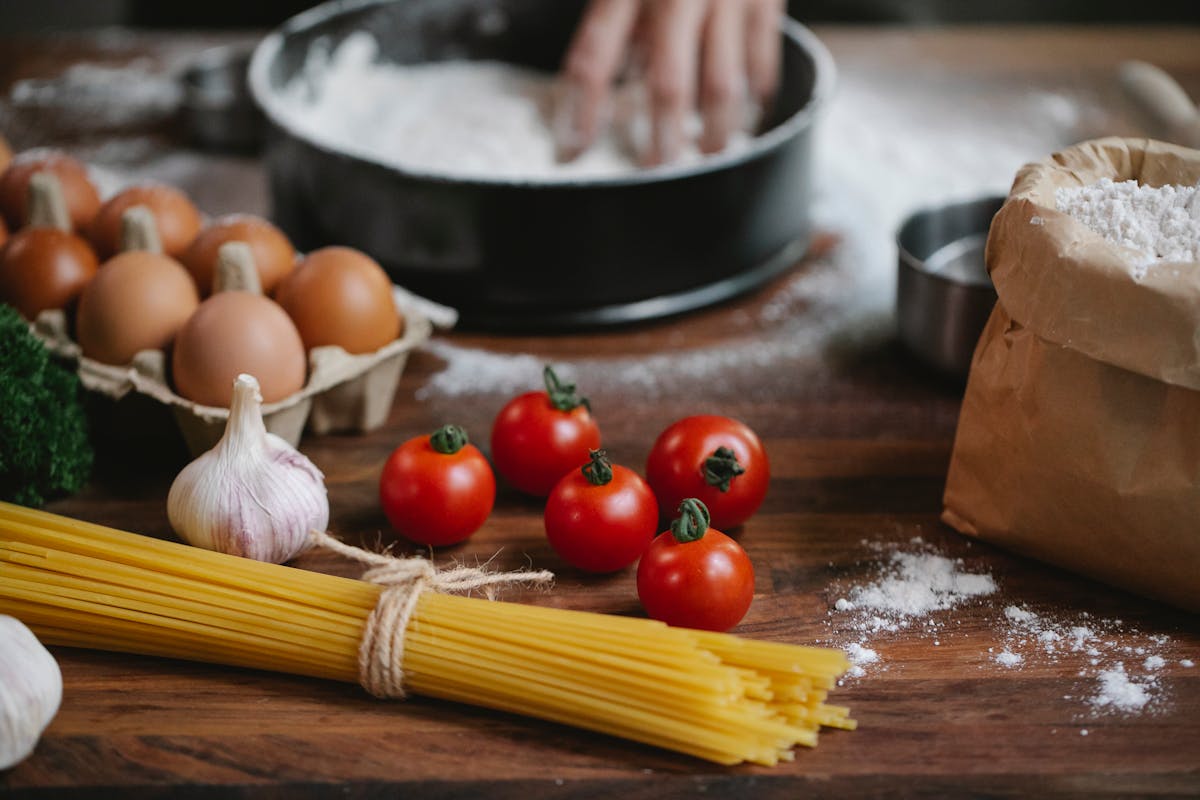
Italian cuisine has earned global admiration for its simplicity, quality ingredients, and comforting flavors. Rooted in centuries‑old traditions, it balances rustic charm with refined techniques.
Why Italian Food Is Universally Loved
Italian dishes focus on a few, high‑quality components—olive oil, fresh tomatoes, herbs, cheeses, and artisan pastas. The emphasis is on harmony of flavor rather than complexity. Meals are often social, extended experiences shared with friends and family.
Italy also offers regional diversity: from the seafood‑rich plates of Sicily to the rich, butter‑based sauces of Northern Italy, every region has something unique to offer.
Iconic Italian Dishes to Try
- Pizza Napoletana – wood‑fired, simple, and authentic
- Pasta Carbonara – creamy, egg‑based, and indulgent
- Risotto alla Milanese – saffron‑infused and rich
- Tiramisu – coffee‑soaked dessert favorite
Japan: Precision, Seasonality, and Subtlety
Japanese cuisine is celebrated for its precision, balance, and respect for seasonality. Emphasis on fresh ingredients and clean flavors makes every dish memorable.
What Makes Japanese Cuisine Special?
At the heart of Japanese cooking is the concept of umami—the fifth taste that adds depth and richness. Traditional Japanese meals often feature multiple small dishes, showcasing textures and seasonal ingredients.
From sushi bars in Tokyo to street stalls selling takoyaki, Japanese cuisine offers both artistry and approachability.
Must‑Try Japanese Classics
- Sushi & Sashimi – expertly sliced fresh fish
- Ramen – flavorful broths and chewy noodles
- Tempura – light, crisp fried seafood and vegetables
- Matcha Desserts – green tea-infused sweets
Mexico: Bold Flavors and Culinary Heritage
Mexican cuisine is a vibrant blend of indigenous ingredients and Spanish influences. Known for bold flavors, colorful presentations, and comforting textures, it’s one of the world’s most beloved food cultures.
The Heart of Mexican Cooking
Corn, beans, and chili peppers form the base of traditional Mexican dishes. Techniques like slow‑cooking and nixtamalization (processing corn) have been refined over millennia. Beyond taste, food is deeply connected to festivals and family traditions.
From street tacos to slow‑braised barbacoa, Mexican cuisine balances heat, texture, and freshness.
Signature Mexican Dishes
- Tacos al Pastor – marinated pork with pineapple
- Mole Poblano – rich, chocolate‑infused sauce
- Chiles en Nogada – stuffed peppers with creamy sauce
- Guacamole – bright and creamy avocado classic
India: A Symphony of Spices
Indian cuisine is a tapestry of flavors, colors, and regional techniques. With a history shaped by trade, religion, and empire, Indian food offers diversity unlike any other.
Elements That Define Indian Cuisine
Spices are at the core, not just for heat but for aroma and depth of flavor. Each region uses different spice blends, cooking methods, and staple ingredients like lentils, rice, dairy, and vegetables.
North Indian dishes often feature rich gravies and breads like naan. Southern India brings rice, coconut, and tangy tamarind to the forefront.
Popular Indian Foods
- Butter Chicken – creamy, tomato‑based favorite
- Masala Dosa – crisp crepe with spiced potatoes
- Biryani – fragrant, layered rice dish
- Chaat – tangy, spicy street snack
France: Elegance, Technique, and Tradition
French cuisine sets the standard for culinary training around the world. Celebrated for technique, presentation, and sophistication, French cooking ranges from rustic farmhouse dishes to haute cuisine.
The French Culinary Philosophy
In France, food is art and ritual. Techniques such as soufflé‑making, sauce reduction, and precise baking are foundational to Western cooking schools. Meals emphasize multiple courses, seasonal ingredients, and balanced flavors.
French bread, cheese, and wine—known collectively as la gastronomie—have shaped how the world defines fine dining.
Classic French Dishes Every Foodie Should Know
- Coq au Vin – braised chicken in wine
- Bouillabaisse – rich seafood stew
- Croissants – flaky, buttery pastries
- Crème Brûlée – caramel‑topped custard delight
Thailand: Harmony of Sweet, Sour, Spicy, and Salty
Thai cuisine is praised for its dynamic flavor profiles. Balancing sweet, sour, salty, and spicy in one plate, Thai dishes excite the palate and celebrate fresh ingredients like lemongrass, galangal, and basil.
The Thai Flavor Experience
Thai meals often include elements that stimulate different taste receptors. Fresh herbs, lime juice, and aromatic pastes give Thai food its distinctive brightness. Street food culture thrives alongside refined Thai restaurant traditions.
Whether you prefer fiery curries or mild noodle soups, Thailand delivers.
Standout Thai Foods
- Pad Thai – stir‑fried noodle classic
- Tom Yum Goong – spicy sour shrimp soup
- Green Curry – creamy coconut spice
- Mango Sticky Rice – sweet tropical dessert
China: Diversity Across Provinces
Chinese cuisine is not a single style but a collection of regional traditions, each with unique flavors and techniques. From fiery Sichuan to subtle Cantonese dim sum, Chinese food offers a stunning variety.
Exploring China’s Major Culinary Regions
- Sichuan – bold, spicy, and numbing flavors
- Cantonese (Guangdong) – delicate dim sum and seafood
- Shandong – hearty, savory dishes with rich broths
- Jiangsu – elegant, slightly sweet presentations
These regions reflect China’s long history, agricultural diversity, and cultural influences.
Popular Chinese Dishes and Healthy Options
Many people wonder, Is Chinese food healthy? While traditional Chinese cuisine emphasizes fresh vegetables, lean proteins, and balanced flavors, some dishes can be high in sodium or fried. Luckily, there are plenty of healthy Chinese food options, such as steamed dumplings, stir-fried vegetables with tofu, and soups rich in fresh herbs and seafood. Choosing these dishes allows you to enjoy authentic flavors while keeping your meals nutritious.
- Kung Pao Chicken – spicy stir fry (opt for less oil)
- Peking Duck – best enjoyed with vegetables
- Xiao Long Bao – steamed soup dumplings
- Mapo Tofu – numbing and spicy tofu dish
Spain: Tapas, Tradition, and Bold Flavors
Spain’s cuisine celebrates communal dining and bold ingredients. Tapas culture encourages sharing small plates, ranging from simple olives to rich seafood and cured meats.
What Makes Spanish Food Special?
Spanish cooking embraces fresh seafood, smoky paprika, rich olive oil, and vibrant herbs. Dishes often reflect Mediterranean influences, with light and flavorful combinations.
Food is a social experience in Spain—meals are long, leisurely, and meant to be savored with friends or family.
Must‑Eat Spanish Dishes
- Paella – saffron rice with proteins
- Patatas Bravas – crispy potatoes with spicy sauce
- Jamón Ibérico – cured ham delicacy
- Gazpacho – cool tomato soup
Greece: Mediterranean Harmony
Greek cuisine showcases simplicity, fresh ingredients, and heart‑healthy Mediterranean flavors. Olive oil, seafood, herbs, and vegetables are staples that create light but satisfying dishes.
The Essence of Greek Cooking
Greek meals emphasize balance and freshness. The Mediterranean climate nourishes olives, citrus, tomatoes, and greens that define the region’s flavors. Traditional Greek dining often includes multiple small plates and mezze.
Greek food celebrates communal feasts, connection, and well‑being.
Essential Greek Foods
- Moussaka – layered eggplant and meat casserole
- Souvlaki – grilled skewered meats
- Spanakopita – spinach and feta pastry
- Greek Salad – tomatoes, olives, feta
Middle Eastern Cuisines: Spices, Grills, and Hospitality
Middle Eastern food traditions span several countries and cultures, but share common ingredients: lamb, chickpeas, grains, citrus, and floral spices like cardamom and sumac.
What to Expect from Middle Eastern Cuisine
Food in the Middle East often features grilled meats, slow‑cooked stews, rich dips, and fresh herbs. Hospitality is central to the experience—meals are generous and meant to be shared.
The cuisine reflects ancient trade routes and cultural exchanges, combining sweet, savory, and aromatic elements beautifully.
Favorite Middle Eastern Dishes
- Hummus and Falafel – classic chickpea delights
- Shawarma – seasoned meat wrap
- Tabbouleh – parsley and bulgur salad
- Baklava – layered sweet pastry
How Cultural Exchange Shaped Global Cuisines
Food evolves when cultures interact. Trade, migration, colonization, and globalization have blended techniques and ingredients, creating hybrid cuisines and innovations. For example:
- Spices from Asia changed European cooking
- Tomatoes from the Americas revolutionized Italian and Spanish cuisine
- Indian spices influenced British and Caribbean food
Understanding these exchanges gives a deeper appreciation for how interconnected world cuisines truly are.
How to Explore World Cuisines as a Foodie

Want to taste top cuisines authentically? Here are ways to dive in:
Travel
- Visit local markets
- Eat at neighborhood eateries
- Try street food with guidance from locals
Cook at Home
- Follow regional recipes
- Use authentic ingredients
- Explore fusion styles respectfully
Learn from Chefs
- Attend cooking workshops
- Watch a documentary series focused on food cultures
- Read cookbooks from native authors
Food exploration enriches your palate and your cultural understanding.
Frequently Asked Questions (FAQs)
What are the most popular cuisines in the world?
The most popular global cuisines include Italian, Japanese, Mexican, Indian, and French. Their popularity stems from iconic dishes, cultural influence, and international availability.
Can regional cuisines be considered among the top?
Absolutely. Regional variants like Sichuan Chinese or Southern Italian cuisine offer unique flavors within broader national traditions and are highly regarded.
How does travel enhance understanding of cuisine?
Travel exposes you to authentic flavors, ingredients, and culinary traditions that can’t always be replicated elsewhere. It deepens your appreciation for context and culture.
Is fusion cuisine less authentic?
Fusion cuisine isn’t less authentic—it’s a reflection of cultural blending. It can be creative and exciting when made with respect for its roots.
Eating Across Continents: A Foodie’s Checklist
Here’s a quick culinary checklist for food lovers:
- Try authentic pizza in Naples
- Eat sushi from a Japanese master
- Feast on street tacos in Mexico City
- Taste curry in India
- Experience fresh pastries in Paris
- Enjoy paella in Valencia
- Share mezes in Beirut
- Sip tea in a Greek taverna
This list encourages intentional tasting experiences, not just sampling.
Conclusion
Exploring the top cuisines in the world is more than a culinary adventure—it’s a journey through culture, history, and human creativity. From the comforting simplicity of Italian pasta to the bold spices of Indian curries, each cuisine offers a unique story on a plate. For foodies, tasting these global flavors is a way to connect with traditions, appreciate regional diversity, and experience the artistry behind every dish.
Whether you travel the world, try cooking at home, or explore local international eateries, embracing these top cuisines expands your palate and deepens your understanding of global culture. Ultimately, the joy of food lies not just in flavor, but in the shared experience, discovery, and passion that connect us all. Start your culinary journey today, and let the world’s flavors inspire your next meal.