

- Meal planning reduces reliance on restaurants: Planning meals ahead ensures healthy options are always available.
- Home cooking saves money and improves health: Preparing meals at home lowers costs and provides better nutrition than takeout.
- Stocking a well-organized kitchen helps: Keeping essential ingredients on hand makes cooking easier and more convenient.
- Family involvement encourages healthier habits: Cooking together and planning meals as a family reinforces positive behavior.
- Mindful eating enhances satisfaction: Paying attention to hunger cues and savoring food reduces overeating and cravings for takeout.
- Dining out can be occasional: Limiting restaurant visits and choosing healthier options allows enjoyment without compromising goals.
- Tracking progress motivates long-term success: Monitoring meals and celebrating milestones reinforces sustainable habits.
Eating out has become a staple of modern life. Busy schedules, convenience, and the allure of restaurant food make it tempting to order takeout or dine at restaurants several times a week. However, frequent eating out can have negative effects on both your health and your wallet. Many meals from restaurants contain excess calories, unhealthy fats, and high sodium levels that can lead to long-term health issues.
For individuals and families aiming to lead healthier lives, learning how to stop eating out so much is essential. By making small, practical changes and embracing home-cooked meals, you can improve nutrition, save money, and even enjoy cooking as a family activity. In this article, we’ll explore actionable tips, strategies, and ideas to help you reduce your reliance on restaurant meals without feeling deprived.
Why Do We Eat Out So Much?
Understanding why we eat out frequently is the first step toward making sustainable changes. Modern lifestyles often make eating at home feel like a challenge, especially for busy professionals and parents juggling multiple responsibilities. Restaurants and takeout options offer convenience, time savings, and the promise of delicious meals with minimal effort.
Social factors also play a role. Dining out can be a form of entertainment, a way to celebrate special occasions, or simply a method to bond with friends and family. Additionally, marketing and easy access to delivery apps encourage frequent ordering. By recognizing the underlying reasons for eating out, you can address these habits and make intentional choices to reduce them.
The Hidden Costs of Eating Out
While eating out might seem convenient, it comes with hidden costs that can affect both your health and finances.
Health impacts: Restaurant meals are often higher in calories, sodium, and sugar compared to home-cooked alternatives. Over time, frequent eating out can contribute to weight gain, high blood pressure, and poor digestion.
Financial burden: Ordering takeout or dining at restaurants multiple times a week can add up quickly. Families and individuals often underestimate how much money is spent on convenience meals, which could otherwise be invested in healthier groceries or savings.
Environmental impact: Frequent takeout contributes to packaging waste and increased carbon emissions due to delivery logistics. Reducing eating out not only benefits your health and finances but also supports environmental sustainability.
How to Stop Eating Out So Much: Start With Meal Planning
Meal planning is one of the most effective strategies for reducing reliance on restaurant food. Planning your meals in advance ensures you always have nutritious options ready, reducing the temptation to order out.
Tips for effective meal planning:
- Create a weekly meal calendar with breakfast, lunch, and dinner options.
- Make a shopping list based on your planned meals to avoid unnecessary trips to the grocery store.
- Prepare ingredients in advance, such as chopping vegetables or marinating proteins, to save time on busy days.
- Batch cook and freeze portions to have quick meals available without sacrificing nutrition.
When you plan meals ahead, you’ll find it easier to resist impulsive restaurant orders, even on hectic days. Meal planning also encourages variety in your diet, helping you enjoy healthier, balanced meals.
Easy Ways to Make Home Cooking Fun and Stress-Free
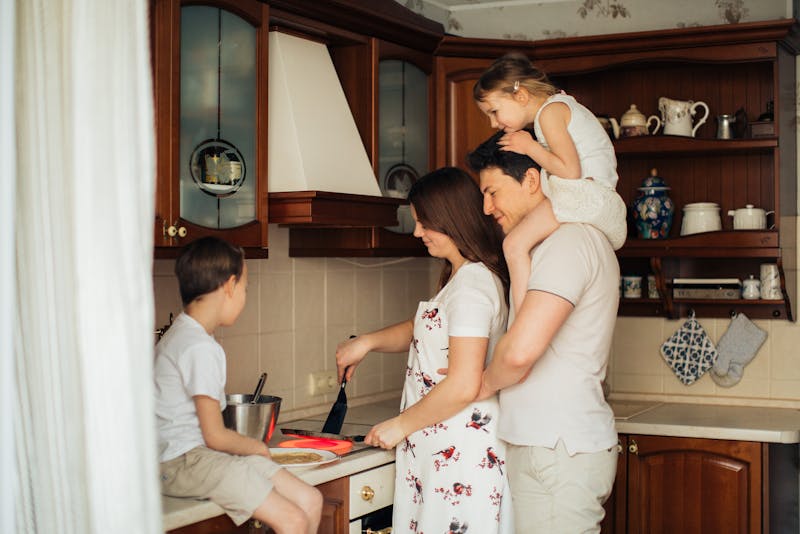
Cooking at home doesn’t have to feel like a chore. By implementing simple strategies, you can make preparing meals enjoyable for yourself and your family.
Try these tips:
- Theme nights: Assign themes for different days, such as “Taco Tuesday” or “Pasta Friday,” to make meals more exciting.
- Cook with family: Involve children or partners in meal preparation to turn cooking into a fun bonding activity.
- Use time-saving appliances: Slow cookers, air fryers, and instant pots can reduce cooking time and make meal prep easier.
- Experiment with recipes: Explore new cuisines or create healthier versions of your favorite takeout dishes.
When home cooking becomes engaging and convenient, you’re less likely to rely on restaurants for your daily meals.
Stock Your Kitchen With Healthy Essentials
A well-stocked kitchen makes it easier to cook at home and reduces the temptation to order takeout. By keeping healthy staples on hand, you’ll always have ingredients available for quick and nutritious meals.
Key pantry and fridge essentials:
- Whole grains like brown rice, quinoa, and whole wheat pasta
- Lean proteins such as chicken, fish, tofu, or beans
- Fresh or frozen vegetables and fruits
- Healthy fats like olive oil, nuts, and seeds
- Low-sodium sauces, herbs, and spices for flavor
Keeping your kitchen stocked ensures that even on busy days, you can prepare a wholesome meal without reaching for your phone to order food.
How to Stop Eating Out So Much: Budget-Friendly Approaches
Financial motivations can be powerful when it comes to reducing eating out. Not only does cooking at home improve health, but it also saves money that can be allocated to other priorities.
Smart budgeting tips:
- Track your monthly spending on eating out to see how much you could save.
- Set a realistic limit on restaurant visits per week and stick to it.
- Purchase ingredients in bulk to reduce costs and minimize frequent grocery trips.
- Use meal prep services or apps to find affordable, healthy recipes.
By incorporating these budgeting techniques, you can enjoy the benefits of eating out occasionally without overspending or compromising your goals.
Strategies to Resist the Temptation of Ordering Takeout
Even with planning, the convenience of delivery apps can be difficult to resist. Developing strategies to overcome this temptation is crucial for reducing restaurant reliance.
Practical approaches include:
- Keep quick meal options ready, such as pre-made salads or stir-fry ingredients.
- Avoid storing cash or credit cards in easy-to-access locations for online orders.
- Replace takeout cravings with healthier alternatives, like smoothie bowls or wraps.
- Establish a “no-ordering” rule during weekdays and reserve eating out for special occasions.
Resisting impulse orders becomes easier when you have structured habits and convenient home-cooked options at your disposal.
How to Stop Eating Out So Much: Healthy Meal Prep Ideas
Meal prepping is a game-changer for busy individuals and families. It ensures you always have nutritious meals ready, reducing the need for restaurant food.
Meal prep ideas:
- Breakfast: Overnight oats, egg muffins, or Greek yogurt parfaits
- Lunch: Mason jar salads, grain bowls, or wraps with lean protein
- Dinner: Sheet pan meals, slow-cooker soups, or stir-fry dishes
- Snacks: Hummus with vegetables, mixed nuts, or fruit slices
By dedicating a few hours each week to meal prep, you’ll simplify daily cooking and create healthy options that are ready to enjoy in minutes.
Incorporate Mindful Eating Practices
Mindful eating encourages you to pay attention to what you eat and how it affects your body. This practice can reduce overeating and increase satisfaction from home-cooked meals.
Mindful eating tips:
- Eat slowly and savor each bite to fully enjoy your food.
- Avoid distractions such as phones or TV during meals.
- Listen to your body’s hunger and fullness cues to prevent overeating.
- Reflect on the health benefits of home-cooked meals compared to fast food.
By practicing mindfulness, you’ll strengthen your relationship with food and naturally reduce the urge to eat out excessively.
Engage Your Family in Healthy Eating Habits
Reducing eating out is easier when your entire household is on board. Families can create a supportive environment that encourages home-cooked meals and healthy choices.
Family-friendly strategies:
- Hold weekly meal planning sessions to decide menus together.
- Involve children in grocery shopping and simple meal preparation tasks.
- Turn cooking into a family challenge, such as creating new recipes from available ingredients.
- Celebrate successes, like a week without takeout, to reinforce positive behavior.
A collective approach not only reduces eating out but also teaches children valuable lifelong habits.
Make Dining Out Occasional and Enjoyable

Completely eliminating eating out may not be realistic or necessary. Instead, aim to make it an occasional treat while maintaining control over your choices.
Tips for mindful dining out:
- Limit restaurant visits to special occasions or once a week.
- Choose healthier menu options, such as grilled proteins, salads, or vegetable-based dishes.
- Share portions to reduce calorie intake and cost.
- Avoid sugary drinks and opt for water or unsweetened beverages.
By treating dining out as an occasional reward rather than a daily habit, you can enjoy meals out without compromising your health or goals.
Track Your Progress and Celebrate Success
Tracking your habits helps you stay motivated and make adjustments as needed. By monitoring your efforts to reduce eating out, you can identify patterns and celebrate achievements.
Tracking tips:
- Keep a journal of meals cooked at home versus meals eaten out.
- Use apps to track spending on food and nutrition intake.
- Set realistic milestones, like two consecutive weeks without takeout.
- Reward yourself with non-food incentives, such as a movie night or new kitchen tools.
Acknowledging progress reinforces positive behavior and encourages long-term success.
Overcoming Common Challenges
Reducing eating out comes with challenges, but awareness and preparation can help you overcome them.
Common obstacles:
- Time constraints: Use meal prep, batch cooking, and quick recipes.
- Lack of inspiration: Explore new recipes, theme nights, or cooking classes.
- Social pressure: Encourage friends and family to join you in healthier habits.
- Cravings for convenience: Keep easy, nutritious snacks on hand for busy moments.
By anticipating challenges, you’ll be better equipped to stay on track and maintain your healthier eating habits.
Final Thoughts: Embracing Healthier Eating Habits
Learning how to stop eating out so much is a journey, not a quick fix. Small, intentional changes can significantly improve health, finances, and family well-being. Meal planning, mindful eating, family involvement, and creative cooking are all tools to reduce reliance on restaurants and enjoy the benefits of home-cooked meals.
Remember, balance is key. Eating out occasionally is perfectly fine, but making home-cooked meals a regular habit promotes long-term health, saves money, and fosters stronger family connections. By implementing these strategies, individuals and families can embrace a healthier, more sustainable approach to food.