

- The healthiest cuisines focus on whole, minimally processed foods with a balance of proteins, healthy fats, and fiber.
- Mediterranean cuisine promotes heart health with olive oil, fresh vegetables, and fish.
- Japanese cuisine emphasizes balance, seasonal ingredients, and fermented foods for longevity and gut health.
- Korean cuisine is rich in fermented foods, such as kimchi, which supports digestion and immunity.
- Indian cuisine uses spices and legumes that provide anti-inflammatory and nutrient-rich benefits.
- Incorporating elements from these global cuisines into your meals can boost wellness without sacrificing flavor.
- Exploring these cuisines allows foodies to enjoy diverse flavors while maintaining a nutrient-rich diet.
Food is not just fuel; it’s a window into culture, lifestyle, and wellness. For foodies who love to explore flavors while prioritizing health, understanding nutrient-rich cuisines from around the world is essential. Some cuisines naturally balance flavor and nutrition, offering dishes that are low in processed ingredients but high in vitamins, minerals, and healthy fats. From fresh Mediterranean salads to fermented Korean delicacies, the healthiest cuisines combine tradition with science-backed nutrition, showing that eating well doesn’t have to mean sacrificing taste.
In this guide, we’ll explore the healthiest cuisines across the globe, highlighting what makes them nutritious, how they support overall well-being, and why they’re loved by food enthusiasts everywhere.
What Makes a Cuisine “Healthy”?

When we talk about the healthiest cuisines, we refer to diets that emphasize whole, minimally processed foods while providing a balance of macronutrients and essential micronutrients. These cuisines often feature:
- Fresh vegetables and fruits: High in fiber, vitamins, and antioxidants.
- Lean proteins: Such as fish, legumes, tofu, or poultry, which support muscle and tissue health.
- Healthy fats: Olive oil, nuts, and seeds that promote heart health.
- Fermented foods: Beneficial for gut health, immunity, and digestion.
A healthy cuisine is not just about the individual ingredients but also the patterns of eating. Portion control, meal variety, and minimal reliance on processed foods all contribute to the overall benefits of a cuisine.
Mediterranean Cuisine: A Heart-Healthy Classic
Mediterranean cuisine is often celebrated as one of the healthiest in the world. It emphasizes fresh fruits, vegetables, whole grains, nuts, and olive oil, complemented by moderate portions of fish and poultry.
- Why it’s healthy: High in monounsaturated fats and fiber, which support heart health and weight management.
- Popular dishes: Greek salad with feta and olives, grilled fish with lemon, and hummus with whole-grain pita.
- Cultural insights: Meals are typically social and slow-paced, promoting mindful eating.
This cuisine demonstrates that delicious food and wellness can coexist, making it a favorite among health-conscious foodies.
Japanese Cuisine: Nutrient-Rich and Balanced
Japanese cuisine is another contender on the list of healthiest cuisines, offering a diet rich in fish, vegetables, and fermented foods like miso and pickles. Portion control and seasonal ingredients are central to traditional Japanese meals.
- Why it’s healthy: High in omega-3 fatty acids from fish and low in saturated fats. Fermented foods promote gut health.
- Popular dishes: Sushi rolls, miso soup, grilled fish, and vegetable tempura.
- Lifestyle benefits: Meals are visually appealing and emphasize balance, which encourages mindful eating.
This cuisine shows how simplicity and freshness can translate into longevity and wellness.
Korean Cuisine: A Fermented Food Paradise
Korean food is renowned for its vibrant flavors and extensive use of fermented ingredients. Staples like kimchi, doenjang (fermented soybean paste), and pickled vegetables are rich in probiotics, fiber, and antioxidants.
- Why it’s healthy: Fermented foods support digestion and immunity, while vegetable-heavy dishes provide essential nutrients.
- Popular dishes: Bibimbap, kimchi stew, and Korean barbecue with vegetable sides.
- Cultural insights: Korean meals often include a variety of small side dishes, ensuring a wide nutrient spectrum.
For foodies, Korean cuisine offers a combination of bold flavors and health-boosting ingredients.
Indian Cuisine: Spices and Superfoods
Indian cuisine is diverse and rich in plant-based ingredients, legumes, and spices with medicinal properties. Turmeric, cumin, and ginger are commonly used, not just for flavor but for their anti-inflammatory and antioxidant benefits.
- Why it’s healthy: Spices like turmeric contain curcumin, which has anti-inflammatory effects. Lentils and legumes provide high-quality protein.
- Popular dishes: Dal (lentil stew), vegetable curry, and spiced rice dishes like biryani.
- Lifestyle benefits: Vegetarian and vegan-friendly meals make it accessible for many dietary preferences.
With its flavorful spice blends, Indian cuisine demonstrates that nutrient-rich food can also be deeply satisfying to the palate.
Incorporating the Healthiest Cuisines into Your Life
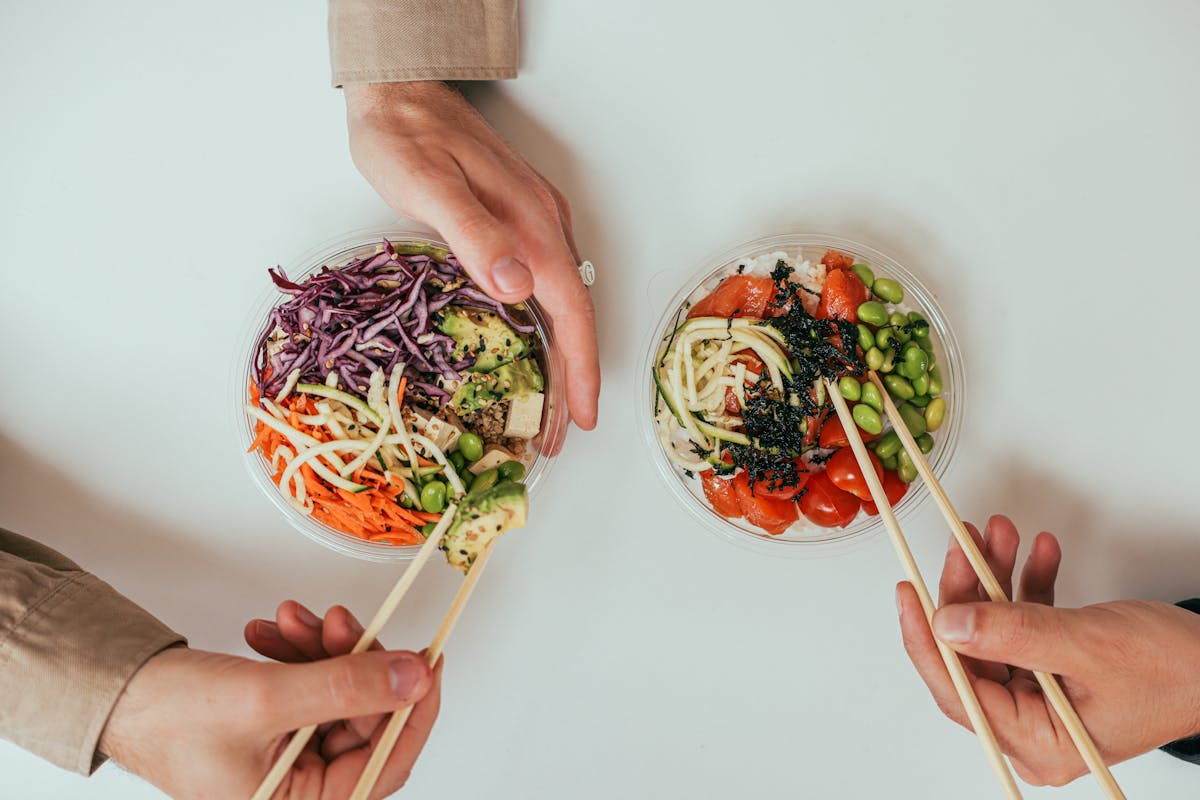
Exploring the healthiest cuisines doesn’t mean completely changing your eating habits overnight. Here are practical tips to bring these global foods into your kitchen:
- Start with small swaps: Replace fried foods with grilled or steamed options.
- Experiment with spices and herbs: Add flavor without excess salt or sugar.
- Include fermented foods: Sauerkraut, kimchi, or miso can boost gut health.
- Mix cuisines: Try a Mediterranean-inspired salad with an Indian spice dressing.
Foodies can enjoy variety, experiment with global flavors, and still maintain a balanced, nutrient-rich diet.
Conclusion
Exploring the healthiest cuisines offers more than just dietary benefits—it’s a way to experience culture, tradition, and innovation on a plate. From the heart-healthy Mediterranean diet to Japan’s balanced meals and Korea’s fermented delicacies, these cuisines prove that eating well can be both delicious and beneficial for long-term health. For those passionate about food, incorporating elements of these global diets is a practical and enjoyable way to boost wellness while satisfying your taste buds.
By embracing these nutrient-rich traditions, you’ll not only savor new flavors but also understand why they consistently appear on lists of top cuisines in the world.