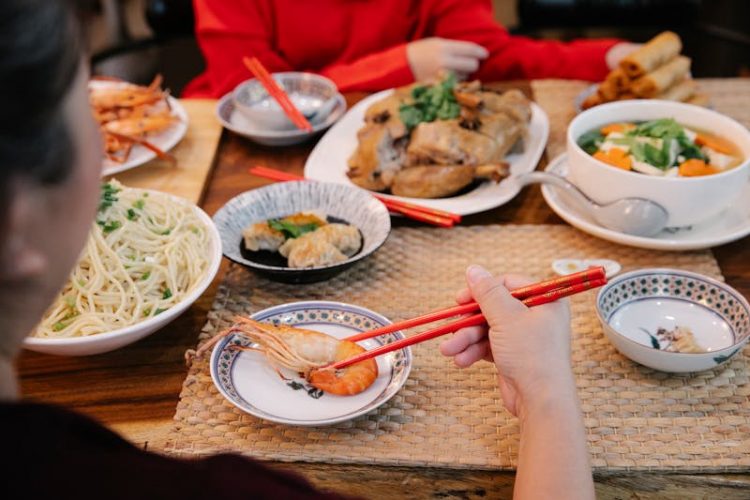

- Chinese food can be healthy depending on cooking methods, ingredients, and portion sizes.
- Steamed and lightly stir-fried dishes are generally better choices than deep-fried options.
- Many Chinese sauces are high in sodium and sugar, so choosing lighter sauces or asking for them on the side helps improve nutrition.
- Lean proteins like chicken breast, fish, shrimp, and tofu offer healthier alternatives to fatty meats.
- Filling your plate with vegetables significantly boosts fiber and nutrient intake.
- Portion control and smart ordering strategies make it easier to enjoy Chinese food as part of a balanced diet.
Chinese food is a beloved cuisine around the world, known for its bold flavors, diverse ingredients, and comforting meals. For many, the question isn’t whether they enjoy Chinese food, but whether it fits into a healthy lifestyle. With wide variations in cooking methods, sauces, and ingredients, Chinese cuisine can be both a nutritious choice and a source of excess calories, sodium, and fat. Understanding what makes Chinese food healthy—or unhealthy—comes down to knowing the facts behind the dishes and listening to what nutrition experts recommend.
This comprehensive guide explores the health aspects of Chinese food, breaking down common ingredients, cooking styles, and smart strategies for making healthier choices. Whether you dine out frequently or prepare Chinese-inspired meals at home, this article gives you the tools to enjoy your favorite flavors while supporting your well-being. It also provides practical tips for those who are eating out too much and want guidance on how to stop eating out so much without feeling deprived.
What Makes Chinese Food “Healthy” or “Unhealthy”?
Chinese cuisine covers a vast range of dishes, from steamed vegetables and lean proteins to deep-fried specialties doused in rich sauces. Because of this variety, labeling Chinese food as strictly healthy or unhealthy is an oversimplification.
Nutrition experts say that the healthiness of a meal depends on its ingredients, cooking techniques, and portion sizes. Dishes loaded with vegetables, lean meats, and steamed preparation are more nutrient-dense and lower in calories. Conversely, deep-fried items, heavy sauces, and large portions can quickly increase fat, sodium, and calorie content. The context of your overall diet also matters: one indulgent meal can fit into a balanced lifestyle if paired with nutritious choices throughout the day.
In the sections that follow, we unpack these factors to help you make informed decisions about your favorite Chinese dishes. For people who find themselves eating out too much, being aware of these factors can help guide better choices and gradually teach how to stop eating out so much while still enjoying social dining.
How Cooking Methods Affect Nutritional Value

Different cooking techniques can drastically change how healthy a dish is. For example, steamed or stir-fried dishes generally retain more nutrients and use less oil than deep-fried options.
Steaming and Boiling
Steaming and boiling are often considered the healthiest cooking methods because they require minimal added fat. These techniques help preserve vitamins and minerals in vegetables and lean proteins. Nutrition experts recommend steamed dishes like steamed fish, vegetables, and dumplings for anyone seeking a lighter meal.
However, boiling can sometimes leach water-soluble vitamins into the cooking liquid, which may be discarded. Nonetheless, when compared to frying, both methods are superior in minimizing unnecessary fat and calories.
Stir-Frying
Stir-frying uses high heat and small amounts of oil to cook ingredients quickly. This method can be healthy if done with heart-healthy oils and lots of vegetables. Stir-fried vegetable dishes with lean tofu, chicken, or shrimp can provide a balanced mix of protein, fiber, and antioxidants.
The key is the amount and type of oil used. Experts recommend using oils high in unsaturated fats like canola, peanut, or sesame oil, and keeping portions moderate.
Deep-Frying
Deep-fried foods are generally higher in calories and unhealthy fats. Items like egg rolls, sweet and sour chicken, and tempura vegetables absorb oil during cooking, increasing calorie density and potentially contributing to weight gain if eaten frequently. Nutrition experts suggest limiting these items or enjoying them occasionally as part of a balanced diet—especially if you’re trying to reduce eating out too much.
Are Sauces in Chinese Food Healthy?
Sauces are a signature part of many Chinese dishes, adding depth and richness to flavor. But they can also contribute hidden calories, sugar, and sodium.
Sodium Levels
Many traditional Chinese sauces—including soy sauce, oyster sauce, and hoisin sauce—are high in sodium. Excessive sodium intake is associated with higher blood pressure and increased risk of heart disease. Nutrition experts often recommend choosing low-sodium versions of these sauces or using them sparingly to reduce sodium intake without sacrificing flavor.
Added Sugars
Sauces like sweet and sour or teriyaki contain added sugars that increase calorie content. These sugars can quickly turn a nutrient-balanced dish into one high in empty calories. Nutritionists suggest asking for sauce on the side or choosing dishes with lighter, broth-based sauces.
Healthier Sauce Alternatives
Some healthier sauce options include:
- Light soy sauce or tamari (low-sodium)
- Vinegar-based sauces
- Garlic, ginger, and fresh herbs for flavor
- Broth-based sauces
Using these alternatives can help reduce unnecessary calories and make dishes more nutrient-rich—perfect for those learning how to stop eating out so much by making restaurant-style meals at home.
Protein Choices: Which Are Best?
Protein is an important component of any meal, supporting muscle repair, immune function, and overall health. In Chinese cuisine, protein sources can range from lean to high-fat options.
Lean Proteins
Lean proteins are generally healthier and lower in saturated fat. Good examples in Chinese food include:
- Steamed fish
- Shrimp
- Chicken breast
- Tofu and other soy-based foods
These options offer high-quality protein with fewer calories and less saturated fat compared to red meats.
Higher-Fat Proteins
Items like pork belly, duck, and fatty cuts of beef are flavorful but higher in saturated fat and calories. Nutrition experts suggest enjoying these choices in moderation, balancing them with vegetables and whole grains to maintain a more nutrient-dense meal.
Plant-Based Proteins
Tofu, tempeh, edamame, and other plant-based proteins are staples in many Chinese-inspired dishes. They provide fiber and phytonutrients in addition to protein, making them excellent choices for those looking to eat healthier.
Vegetables in Chinese Food: Abundant but Important
Vegetables offer essential vitamins, minerals, and fiber, which are important for digestive health and disease prevention. Many Chinese dishes include a variety of colorful vegetables like bok choy, broccoli, snow peas, and bell peppers.
Nutrient Density
Stir-fried or steamed vegetables retain more nutrients than those cooked with a lot of oil. Colorful vegetables contain antioxidants that support immune function and cellular health. Nutrition experts emphasize filling half your plate with vegetables to boost fiber and nutrient content.
Hidden Additives
Be mindful of how vegetables are prepared. Some dishes may be stir-fried with heavy sauces or combined with fried proteins, which can reduce their overall health benefit. Choosing plain steamed vegetables or requesting sauces on the side can help preserve nutritional value.
Portion Size Matters: How Much Should You Eat?
Portion size plays a critical role in determining how healthy a meal is. Restaurants, including Chinese eateries, often serve large portions that exceed standard dietary recommendations.
Recognizing Standard Portions
A typical restaurant portion can be two to three times larger than a standard serving. Nutrition experts recommend sharing dishes, ordering from the appetizer menu, or packing half of your meal to go. This approach helps control calorie intake without giving up the foods you enjoy.
Plate Composition Tips
To make your meal more balanced:
- Fill half your plate with vegetables
- One-quarter with lean protein
- One-quarter with whole grains or complex carbohydrates
This simple guideline helps ensure you get adequate nutrients while keeping calorie intake in check.
Common Misconceptions About Chinese Food
There are several myths about Chinese cuisine that can lead people to make unhealthy assumptions.
Myth: All Chinese Food Is Unhealthy
This is not true. Chinese cuisine encompasses a wide range of dishes, many of which are nutritious when prepared thoughtfully. Steamed fish with vegetables, tofu-based dishes, and broth-based soups can be healthy meals.
Myth: MSG Is Harmful
Monosodium glutamate (MSG) has been controversial, but research shows it is generally safe for most people when consumed in normal amounts. Some individuals may be sensitive, but for the majority, MSG does not pose a significant health risk. Nutrition experts recommend moderation and listening to your body.
Myth: Eating Chinese Food Causes Weight Gain
Weight gain is related to overall calorie balance rather than a single cuisine. Choosing nutrient-dense dishes and watching portion sizes are more meaningful strategies than avoiding Chinese food altogether.
Healthier Chinese Food Choices: What Nutrition Experts Recommend
If you’re wondering “Is Chinese food healthy?”, the answer often comes down to which dishes you choose. Here are some of the better options:
Soups and Broth-Based Dishes
- Hot and sour soup (light on oil)
- Wonton soup with plenty of vegetables
- Vegetable tofu soup
These are typically lower in calories and higher in nutrients.
Steamed and Stir-Fried Dishes
- Steamed fish with ginger and scallions
- Stir-fried vegetables with tofu
- Chicken and broccoli (light sauce)
These dishes offer balanced nutrition when the sauce is light, and oil is minimal.
Vegetable-Focused Options
- Buddha’s Delight (mixed vegetables and tofu)
- Stir-fried bok choy
- Snow pea shoots with garlic
Vegetables provide fiber and micronutrients that support overall health.
Whole Grain Alternatives
- Brown rice instead of white rice
- Steamed brown rice noodles
Whole grains contribute more fiber, helping with blood sugar control and digestion.
When Chinese Food Can Be Unhealthy
Some dishes are best enjoyed occasionally rather than regularly due to higher calories, fat, or sodium.
Deep-Fried Items
- Egg rolls
- Sweet and sour chicken
- General Tso’s chicken
These absorb a lot of oil and can be calorie-dense.
Heavy Sauces
- Creamy or sugary sauces
- Thickened glazes with added sugars
Excess sauce increases calories and sodium.
Large Portions of White Rice or Noodles
While not inherently unhealthy, large servings of refined grains can spike blood sugar and contribute to excess calorie intake.
Dining Out: Smart Ordering Strategies
Eating out doesn’t have to derail your healthy eating goals. Here are expert-recommended tips for enjoying Chinese food responsibly:
- Ask for sauces on the side
- Choose steamed or lightly stir-fried options
- Load up on vegetables
- Share large entrees with a friend
- Swap white rice for brown rice when possible
These small adjustments can significantly improve the nutritional quality of your meal while allowing you to enjoy the flavors you love.
Cooking Chinese Food at Home: Healthy Tips
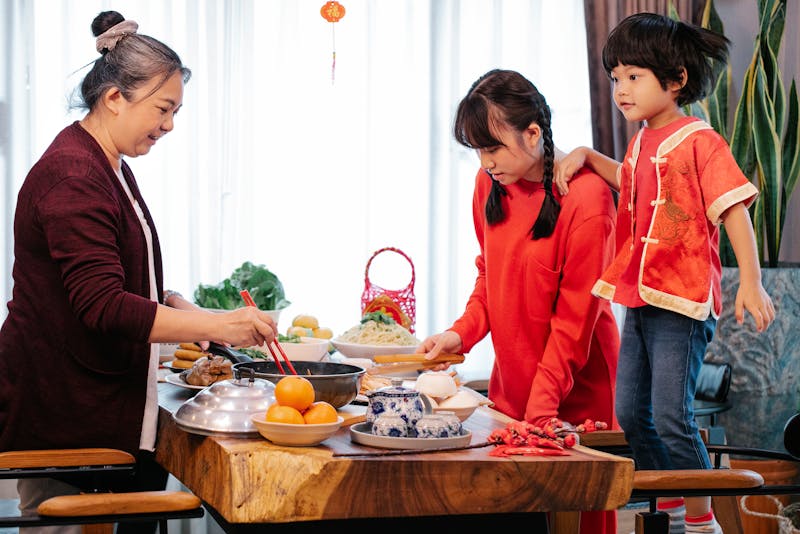
Cooking at home gives you control over ingredients and portions. Here’s how to make restaurant-style Chinese food healthier:
Use Less Oil
Measure oil instead of pouring freely. Try using nonstick pans to reduce the need for added fat.
Choose Fresh Ingredients
Opt for fresh vegetables and lean proteins. Frozen vegetables are a good alternative as well.
Watch Your Sauces
Make sauces with low-sodium soy sauce, fresh ginger, garlic, and a splash of vinegar instead of heavy packaged sauces.
Add Fiber
Include a variety of vegetables and whole grains like brown rice to add fiber and sustain fullness.
Balancing Chinese Food With Your Overall Diet
One meal doesn’t define your health, but daily patterns matter. Nutrition experts suggest viewing Chinese food within the context of your overall diet. If you enjoy a vegetable-rich, balanced meal one day, a more indulgent dish the next is not a problem as long as the rest of your meals contain nutrient-dense foods.
Creating balance involves incorporating fruits, vegetables, lean proteins, and whole grains throughout your week while allowing room for cultural and comfort foods like Chinese cuisine.
Final Thoughts: Enjoying Chinese Food Mindfully
So, is Chinese food healthy? The short answer: it can be—when chosen wisely. Nutrition experts emphasize that the healthiness of a meal depends on ingredients, cooking methods, portion sizes, and how it fits into your overall diet.
Chinese cuisine offers many nutritious dishes full of vegetables, lean proteins, and complex carbohydrates. While some items are higher in calories, saturated fat, and sodium, you don’t have to give up your favorite foods to maintain a healthy lifestyle. With mindful choices and simple swaps, you can enjoy Chinese food and nourish your body at the same time.