- Frequent eating out can lead to weight gain, high sodium and sugar intake, and nutrient deficiencies.
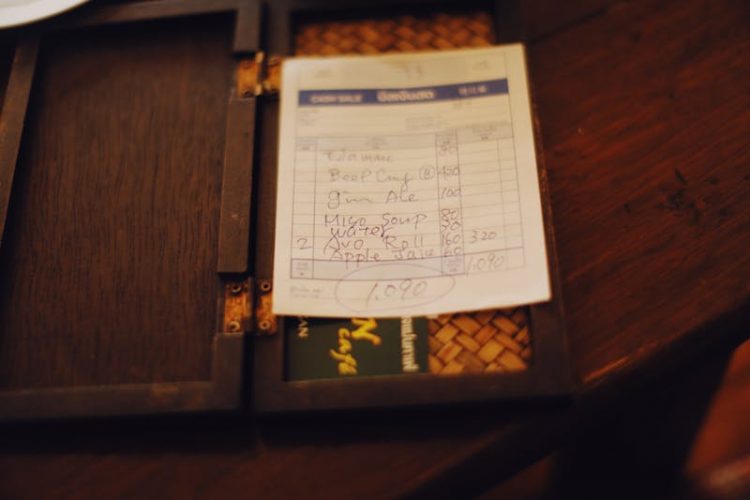
- Restaurant meals are often more expensive than home-cooked meals, impacting monthly budgets.
- Hidden costs like tips, delivery fees, and overeating make dining out even pricier.
- Meal planning and prepping quick, easy home-cooked meals can reduce reliance on restaurants.
- Setting a dining-out budget helps control spending and encourages mindful choices.
- Involving the family in cooking promotes healthier eating habits and makes meals more enjoyable.
Eating out has become a staple in modern life. For many individuals and families, convenience often outweighs home-cooked meals. However, frequent dining at restaurants or ordering takeout can come with hidden consequences that affect both your health and your finances. Understanding these impacts can help you make better decisions and develop habits that benefit your well-being and your wallet.
This article explores the hidden costs of eating out too much and provides practical tips to regain control over your eating habits.
How Eating Out Too Much Affects Your Health
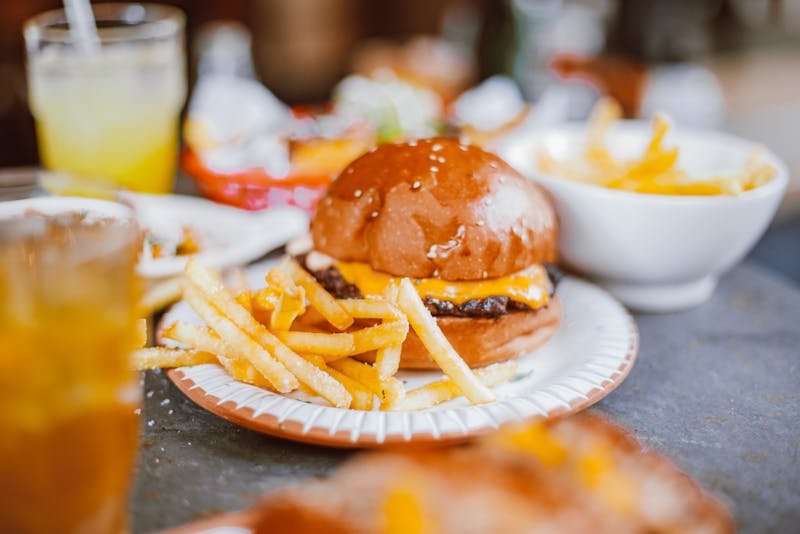
Eating out often exposes you to higher calories, sugar, sodium, and unhealthy fats compared to meals prepared at home. Most restaurants prioritize taste and presentation over nutritional value, which can lead to poor dietary choices without even realizing it. For individuals trying to maintain a balanced diet, frequent restaurant meals can slowly undermine health goals.
Increased Risk of Weight Gain
One of the most immediate health consequences of eating out too much is weight gain. Restaurant portions are typically larger than home-cooked meals, and many dishes are high in added fats, sugars, and refined carbohydrates. Over time, consuming extra calories without proper balance can result in unwanted weight gain and related health issues, such as obesity and metabolic disorders.
Higher Sodium and Sugar Intake
Restaurants often add excessive salt and sugar to enhance flavor. High sodium consumption can lead to increased blood pressure and cardiovascular problems, while excess sugar intake may cause spikes in blood sugar levels, contributing to diabetes and other metabolic conditions. Families and individuals who eat out frequently may unknowingly exceed recommended daily limits for these ingredients.
Nutrient Deficiencies
Relying heavily on restaurant meals can also result in nutrient deficiencies. Many fast foods and takeout options are low in essential vitamins, minerals, and fiber. A diet lacking in fresh fruits, vegetables, and whole grains can weaken your immune system, reduce energy levels, and negatively affect overall health over time.
Financial Implications of Frequent Dining Out

Beyond health concerns, eating out too much can have a significant impact on your finances. Spending on restaurant meals and takeout quickly adds up, potentially taking a sizable portion of your monthly budget. Understanding the financial consequences can motivate you to adopt healthier eating habits at home.
Rising Monthly Expenses
Frequent restaurant visits can turn into a major financial burden. A single family dinner at a casual restaurant can cost significantly more than preparing the same meal at home. Multiply that by several meals per week, and the total expenses can reach hundreds of dollars each month, money that could be saved or invested elsewhere.
Hidden Costs of Convenience
While dining out saves time, it comes at a hidden cost. Tips, delivery fees, and service charges can add up, making an already expensive meal even pricier. Additionally, fast food or takeout often encourages overeating, meaning you get less value for the money spent.
Budgeting Challenges
Frequent eating out can also disrupt household budgeting. Without tracking expenses carefully, it’s easy to overspend on food and neglect other financial priorities, such as savings, bills, or leisure activities. This can create stress and limit financial flexibility for families and individuals alike.
How to Stop Eating Out So Much
If you recognize the health and financial risks, the next step is learning how to stop eating out so much. Small lifestyle changes can make a big difference without sacrificing convenience or enjoyment.
Plan Your Meals Ahead
Meal planning is a powerful tool to reduce restaurant visits. By preparing a weekly menu and shopping list, you can ensure your family has balanced, home-cooked meals ready. Planning ahead reduces last-minute takeout orders and helps control portion sizes and ingredients.
Prep Quick and Easy Meals
Cooking doesn’t have to be time-consuming. Stock your kitchen with easy-to-prepare meals like stir-fries, pasta dishes, and salads. Pre-chopping vegetables or making bulk meals ahead of time can save hours during the week, making home-cooked meals more convenient than fast food.
Set a Dining Out Budget
Limiting restaurant visits starts with financial planning. Allocate a specific amount per week or month for eating out and stick to it. This encourages mindful choices and helps you prioritize special occasions rather than habitual dining.
Involve the Family
Engage the whole family in cooking and meal prep. Not only does this create bonding opportunities, but children also learn healthy eating habits early. Making home-cooked meals enjoyable can reduce the temptation to rely on restaurants.
Conclusion
Eating out too much has hidden costs that extend beyond the immediate convenience. From increased risks of weight gain and nutrient deficiencies to higher monthly expenses and budgeting challenges, the impact is significant. By understanding these effects and implementing practical strategies like meal planning, preparing quick meals, and setting a dining out budget, individuals and families can regain control over their health and finances. Small, consistent changes can make eating at home enjoyable, nutritious, and affordable.